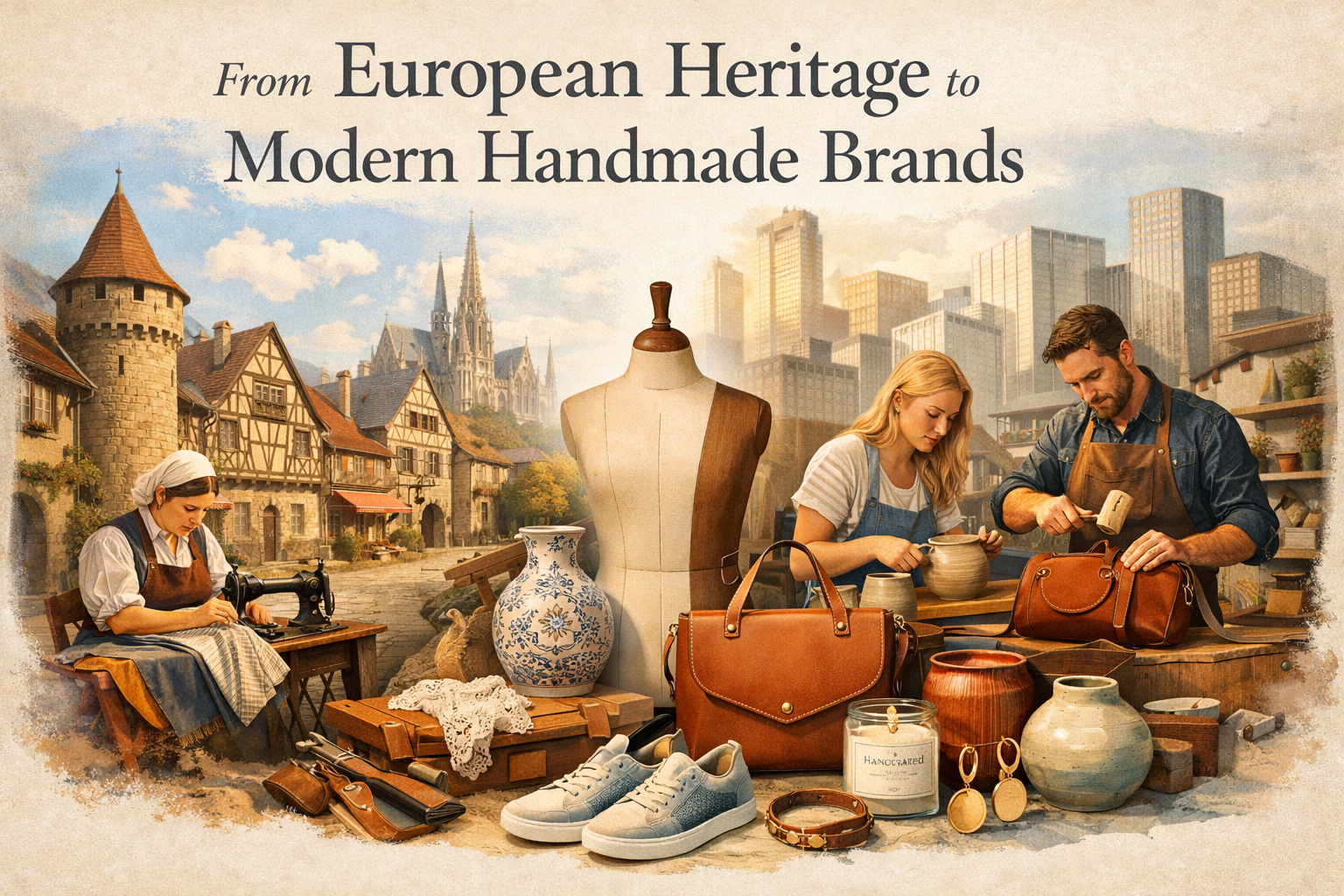
Today, the journey From European Heritage to Modern Handmade Brands represents one of the most fascinating transitions in the global luxury industry. Luxury has never been a static concept. Over centuries, it has transformed alongside culture, craftsmanship, technology, and consumer values. What once symbolized royal privilege and aristocratic exclusivity has evolved into a sophisticated blend of tradition, authenticity, sustainability, and individuality.
In this blog, we explore how luxury evolved From European Heritage to Modern Handmade Brands, highlighting craftsmanship traditions, cultural influence, consumer behavior shifts, and the rise of artisanal excellence in the modern era.
Understanding the Origins of Luxury in Europe
Luxury as we know it today finds its roots deeply embedded in European history. During the Renaissance and later centuries, luxury goods were associated with nobility, monarchy, and elite social classes. European nations such as France, Italy, and England became global centers for craftsmanship and refinement.
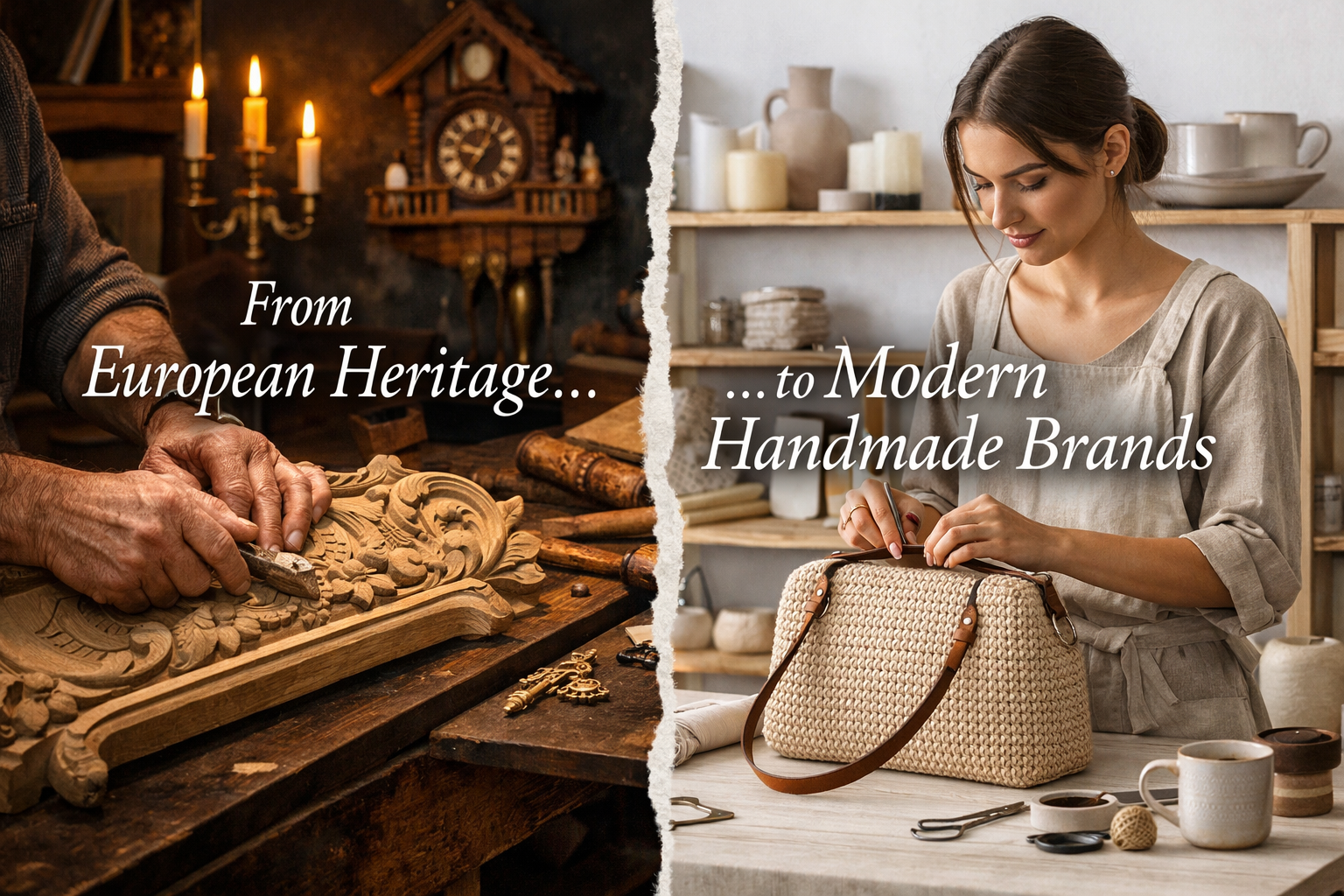
Royal courts demanded exceptional quality products handcrafted garments, leather goods, jewelry, furniture, perfumes, and accessories. Skilled artisans spent years mastering their crafts, ensuring every piece reflected perfection.
This early foundation laid the groundwork for luxury’s transformation From European Heritage to Modern Handmade Brands, where craftsmanship remained central but evolved to meet modern expectations.
European luxury emphasized:
- Heritage craftsmanship
- Timeless design
- Superior materials
- Artisan mastery
- Exclusivity and prestige
These principles continue influencing luxury brands today.
The Rise of Iconic European Craftsmanship
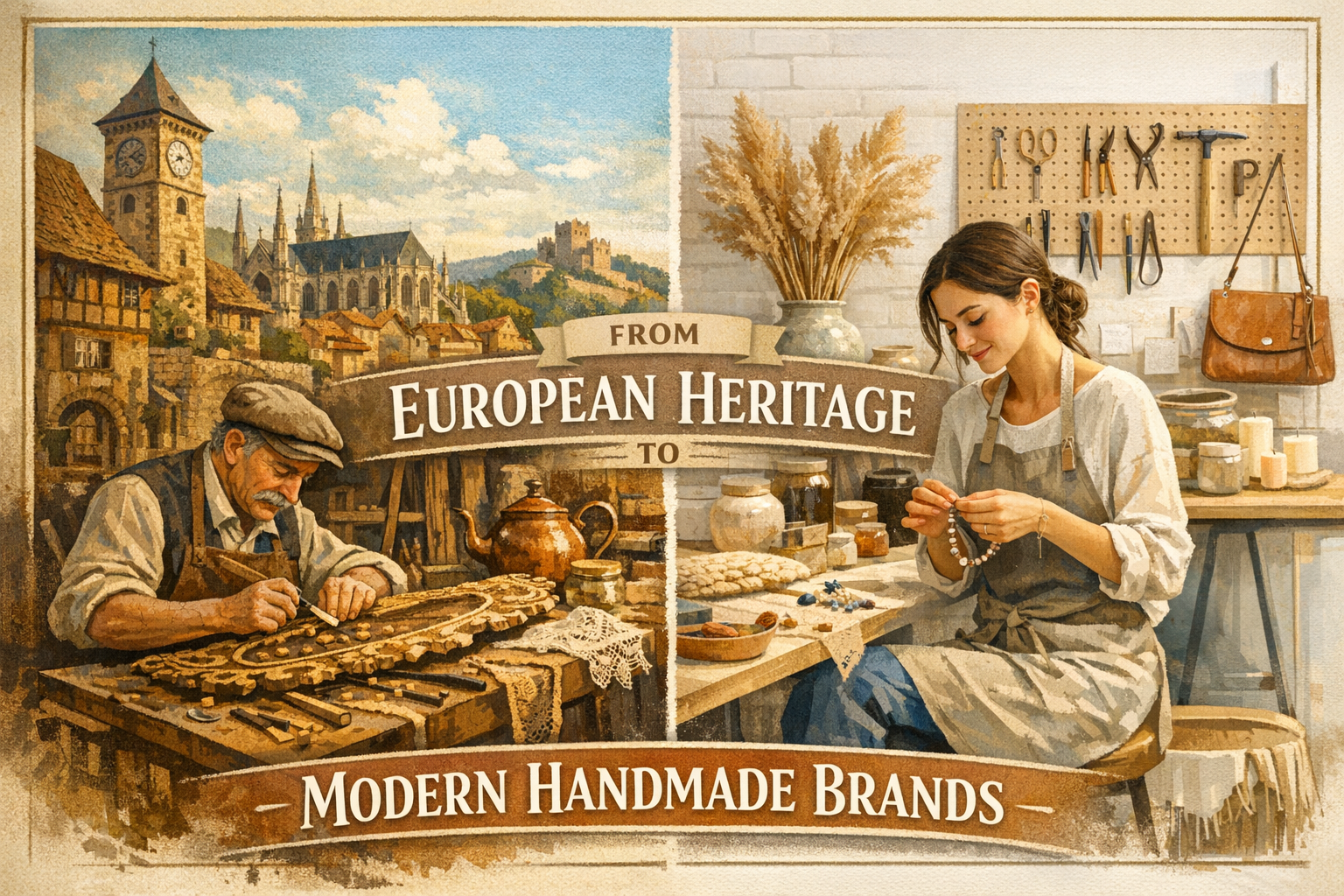
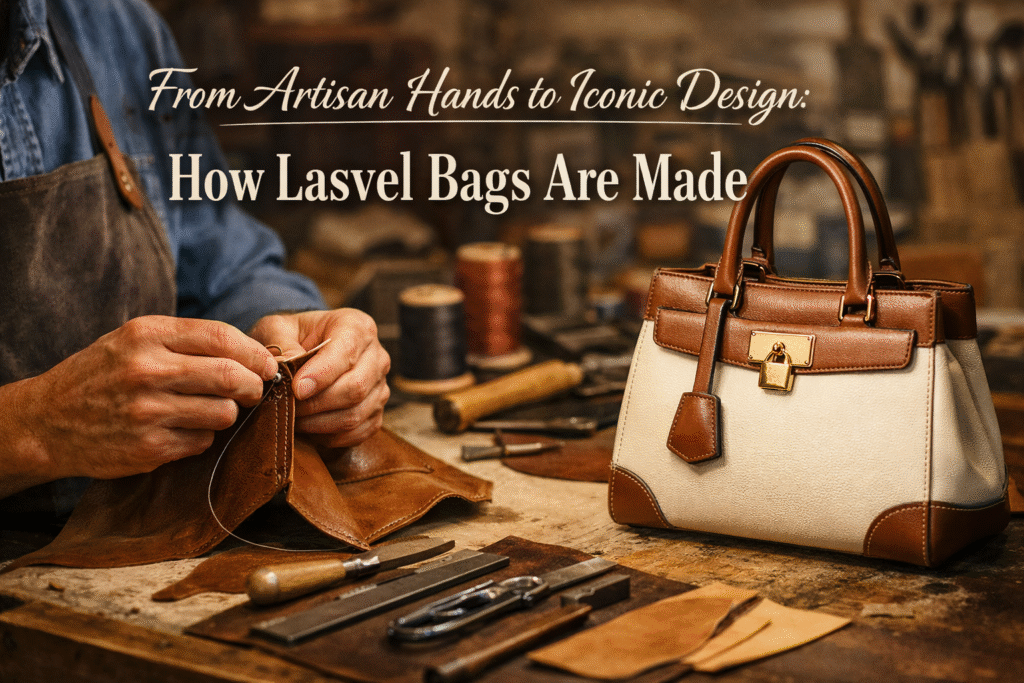
European luxury houses built their reputation through generations of artisan knowledge passed down within families and guilds. Handmade production methods ensured quality control and uniqueness.
Leather workshops in Italy, textile artisans in France, and watchmakers in Switzerland established global standards that still define premium products today.
The transition From European Heritage to Modern Handmade Brands did not abandon these traditions instead, it modernized them.
Key characteristics included:
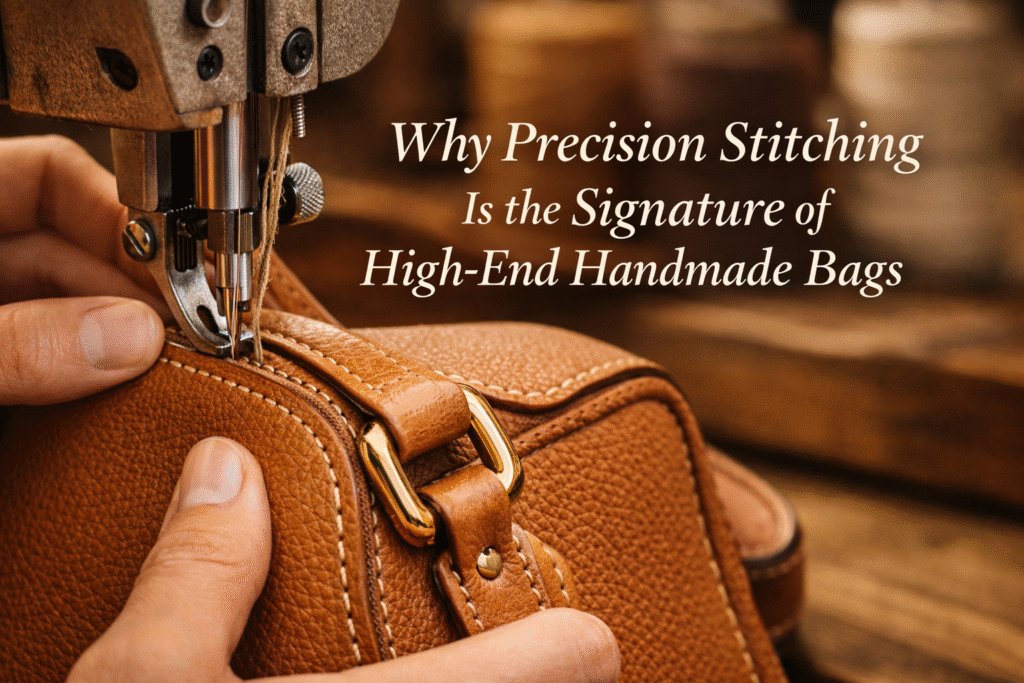
- Hand stitching techniques
- Natural material sourcing
- Slow production cycles
- Personalized craftsmanship
- Attention to detail
Luxury was never about mass production; it was about mastery.
Industrialization and the Shift in Luxury Production
The Industrial Revolution changed everything. Machines enabled faster production and wider accessibility. Luxury brands faced a dilemma: maintain exclusivity or scale production.
Many heritage brands introduced limited mechanization while preserving handcrafted finishing techniques. This balance marked an important stage in the evolution From European Heritage to Modern Handmade Brands.
Consumers began associating luxury not only with heritage but also with innovation.
Luxury expanded beyond royal families to wealthy professionals, entrepreneurs, and global elites.
Changing Consumer Values in the 21st Century
Modern consumers are fundamentally different from traditional luxury buyers. Today’s customers prioritize:
- Authenticity
- Sustainability
- Ethical sourcing
- Storytelling
- Craft transparency
This shift accelerated the movement From European Heritage to Modern Handmade Brands, where smaller artisan labels began competing with historic luxury houses.
Buyers now want to know:
- Who made the product?
- How was it made?
- Where were materials sourced?
- What story does the brand represent?
Luxury is no longer just status it is identity.
The Emergence of Modern Handmade Brands
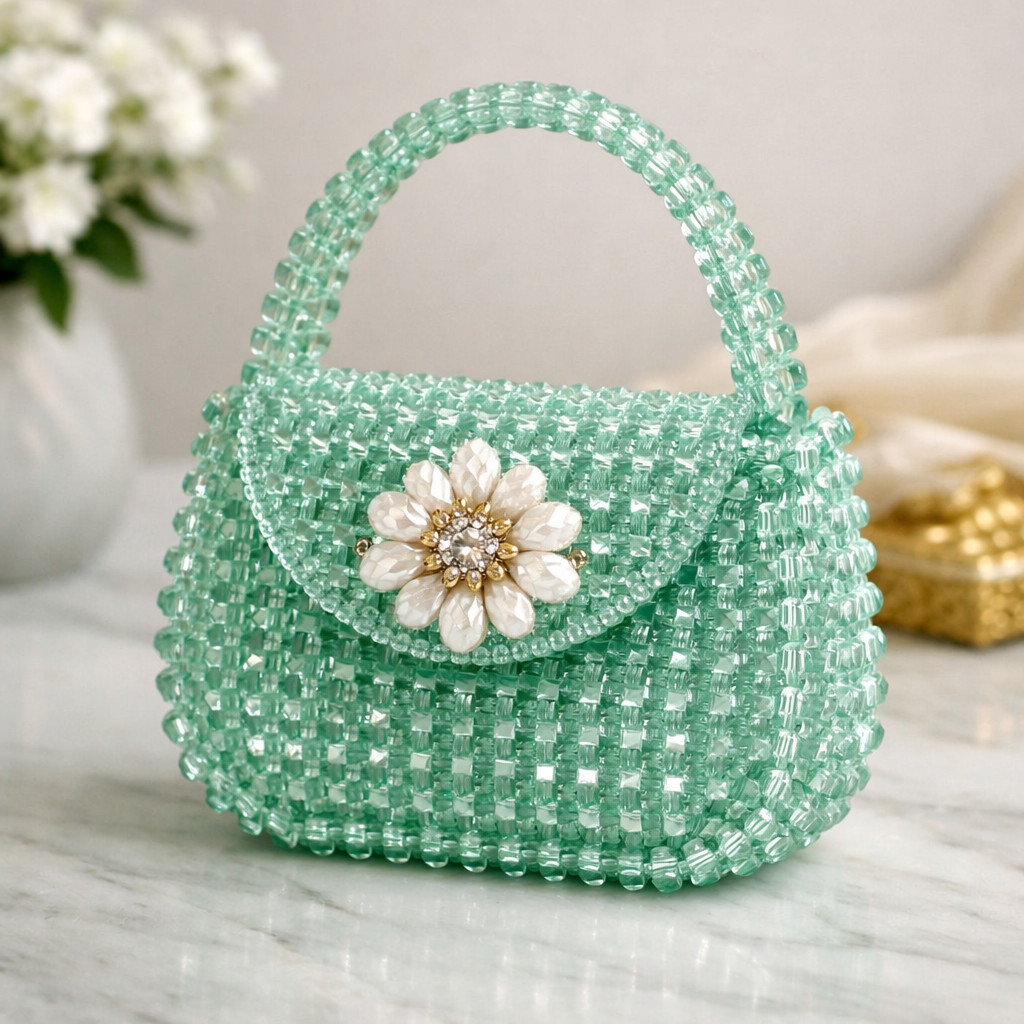
Modern handmade brands represent the new generation of luxury. These brands blend traditional craftsmanship with contemporary aesthetics and ethical values.
Unlike industrial luxury production, handmade brands focus on:
- Limited production runs
- Artisan-led manufacturing
- Sustainable materials
- Customization options
- Human-centered design
The evolution From European Heritage to Modern Handmade Brands highlights a return to craftsmanship but with modern purpose.
Independent artisans now reach global markets through digital platforms, allowing handmade luxury to thrive beyond traditional European capitals.
Craftsmanship as the Core of Modern Luxury
One major lesson learned From European Heritage to Modern Handmade Brands is that craftsmanship never lost relevance.
Modern luxury consumers increasingly value handmade imperfections because they symbolize authenticity.
Handmade products offer:
- Individual uniqueness
- Emotional connection
- Longevity
- Cultural value
- Sustainable consumption
Every handmade item tells a story something machine-made goods struggle to replicate.
Sustainability and Ethical Luxury
Sustainability plays a defining role in the transition From European Heritage to Modern Handmade Brands.
Traditional European artisans naturally practiced sustainable production due to limited resources and slow manufacturing. Modern handmade brands have revived these principles to combat fast fashion and environmental damage.
Sustainable luxury practices include:
- Eco-friendly materials
- Small-batch production
- Reduced waste
- Fair wages for artisans
- Responsible sourcing
Consumers increasingly associate luxury with responsibility rather than excess.
Technology Meets Handmade Excellence
Technology has not replaced craftsmanship it has enhanced it.
Digital platforms allow handmade brands to showcase their artistry globally. Social media storytelling, e-commerce platforms, and customization tools empower artisans like never before.
The evolution From European Heritage to Modern Handmade Brands demonstrates how tradition and innovation coexist.
Technology enables:
- Direct-to-consumer selling
- Transparent production storytelling
- Global artisan exposure
- Personalized luxury experiences
Luxury is now accessible without losing exclusivity.
The Emotional Value of Handmade Luxury
Luxury today is deeply emotional. Consumers seek meaningful ownership rather than symbolic wealth display.
Moving From European Heritage to Modern Handmade Brands, luxury has become personal.
Handmade products provide:
- Emotional satisfaction
- Cultural appreciation
- Artisan connection
- Long-term value
Owning handmade luxury feels like owning art rather than purchasing a commodity.
The Role of Cultural Identity in Modern Handmade Brands
Modern handmade brands often celebrate local culture and heritage while embracing global appeal.
This reflects another important stage From European Heritage to Modern Handmade Brands, where craftsmanship expanded beyond Europe into worldwide artisan communities.
Countries across Asia, Africa, and the Middle East now contribute to global luxury craftsmanship through traditional techniques adapted for modern audiences.
Luxury has become culturally diverse rather than geographically exclusive.
Slow Luxury vs Fast Fashion
Fast fashion introduced speed and affordability but compromised quality and sustainability.
The transition From European Heritage to Modern Handmade Brands represents resistance against disposable consumption.
Slow luxury promotes:
- Durable craftsmanship
- Timeless design
- Ethical production
- Reduced environmental impact
Consumers increasingly prefer fewer high-quality items over mass-produced goods.
Personalization: The Future of Luxury
Customization is redefining luxury ownership.
Modern handmade brands offer tailored designs, bespoke services, and made-to-order products echoing historic European craftsmanship traditions.
Thus, the journey From European Heritage to Modern Handmade Brands comes full circle, returning to personalized luxury once reserved for royalty.
Personalized luxury strengthens customer loyalty and brand storytelling.
Challenges Facing Modern Handmade Brands
Despite growing popularity, handmade brands face several challenges:
- Higher production costs
- Limited scalability
- Artisan skill shortages
- Market competition
- Consumer price sensitivity
However, the demand for authenticity ensures continued growth in the movement From European Heritage to Modern Handmade Brands.
The Future of Luxury Industry
The future of luxury lies in balancing heritage and innovation.
Brands that successfully integrate tradition, sustainability, craftsmanship, and digital engagement will lead the industry forward.
The evolution From European Heritage to Modern Handmade Brands signals a permanent shift toward conscious luxury consumption.
Luxury will increasingly emphasize:
- Transparency
- Craft authenticity
- Ethical responsibility
- Cultural storytelling
- Handmade excellence
Conclusion
Luxury has traveled an extraordinary path across centuries. From royal European ateliers to independent global artisans, the industry continues redefining itself.
The transformation From European Heritage to Modern Handmade Brands shows that while materials and markets change, craftsmanship remains timeless.
Modern consumers no longer seek luxury purely for prestige they seek meaning, heritage, and human connection.
1. What does From European Heritage to Modern Handmade Brands mean?
It refers to the transformation of luxury from traditional European craftsmanship traditions to contemporary artisan-led handmade brands focusing on sustainability and authenticity.
2. Why is the shift From European Heritage to Modern Handmade Brands important?
This shift highlights changing consumer values toward ethical production, craftsmanship appreciation, and sustainable luxury practices.
3. How do modern handmade brands preserve European heritage?
Modern handmade brands adopt traditional craftsmanship techniques while integrating modern design, technology, and ethical sourcing principles.
4. Are handmade luxury products better than mass-produced luxury?
Many consumers believe handmade products offer higher quality, uniqueness, and emotional value, reflecting the evolution From European Heritage to Modern Handmade Brands.
5. How has sustainability influenced From European Heritage to Modern Handmade Brands?
Sustainability encourages slow production, responsible sourcing, and artisan empowerment — core principles shared by both traditional European craftsmanship and modern handmade brands.
6. What is the future of luxury From European Heritage to Modern Handmade Brands?
The future focuses on personalization, transparency, digital storytelling, and sustainable craftsmanship rooted in heritage traditions.