Redefining Luxury Across Generations
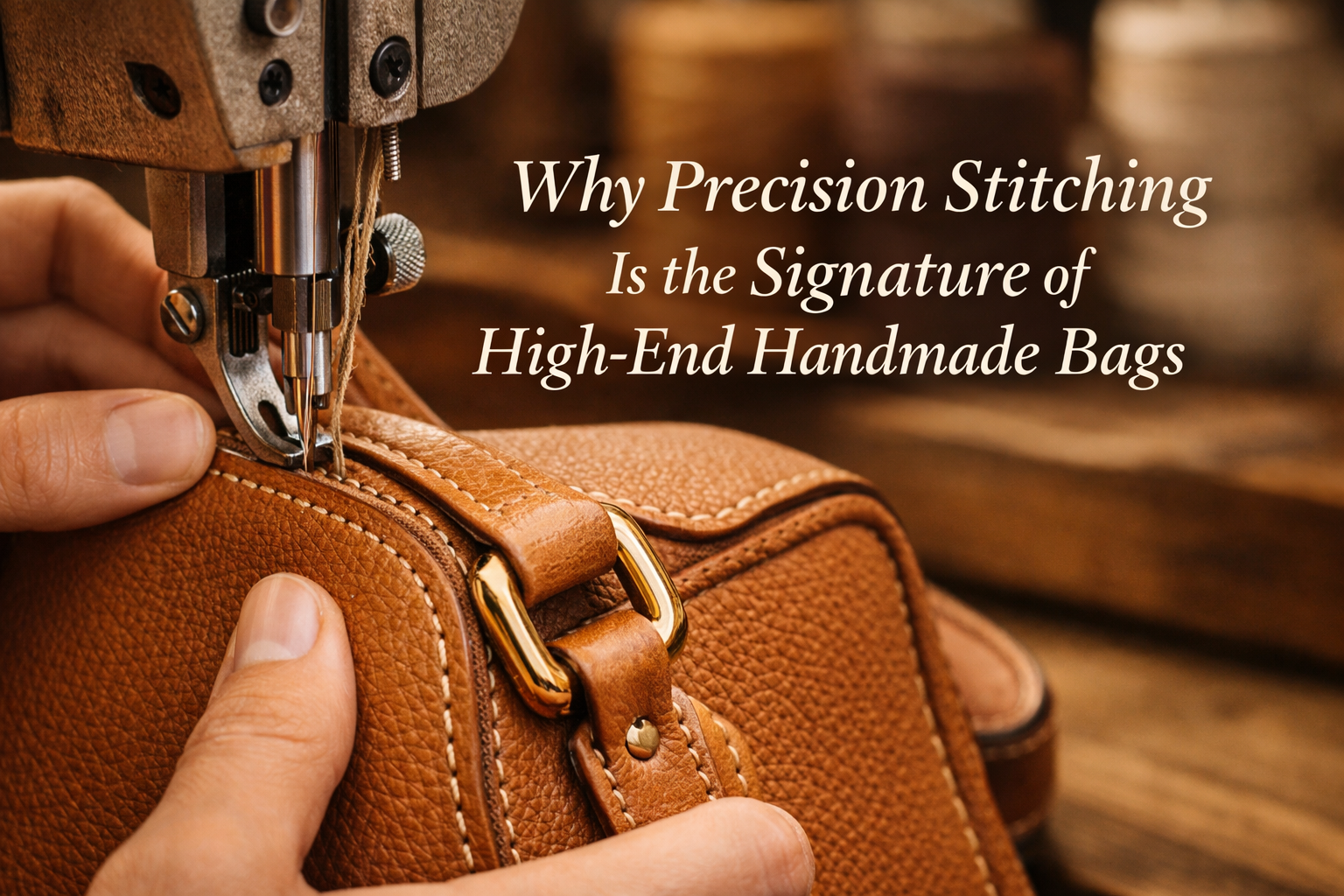
Why precision stitching is the signature of high-end handmade bags. Today’s consumers no longer associate luxury merely with logos or price tags. Instead, true luxury lies in craftsmanship especially in handmade leather goods where every detail reflects skill and dedication. Among these details, one factor stands above all others
Precision stitching represents more than construction; it embodies tradition, durability, and artistic mastery passed through generations of artisans. To understand modern luxury, we must first explore how European heritage shaped craftsmanship and how modern handmade brands continue this legacy.
The Origins of Luxury in European Heritage
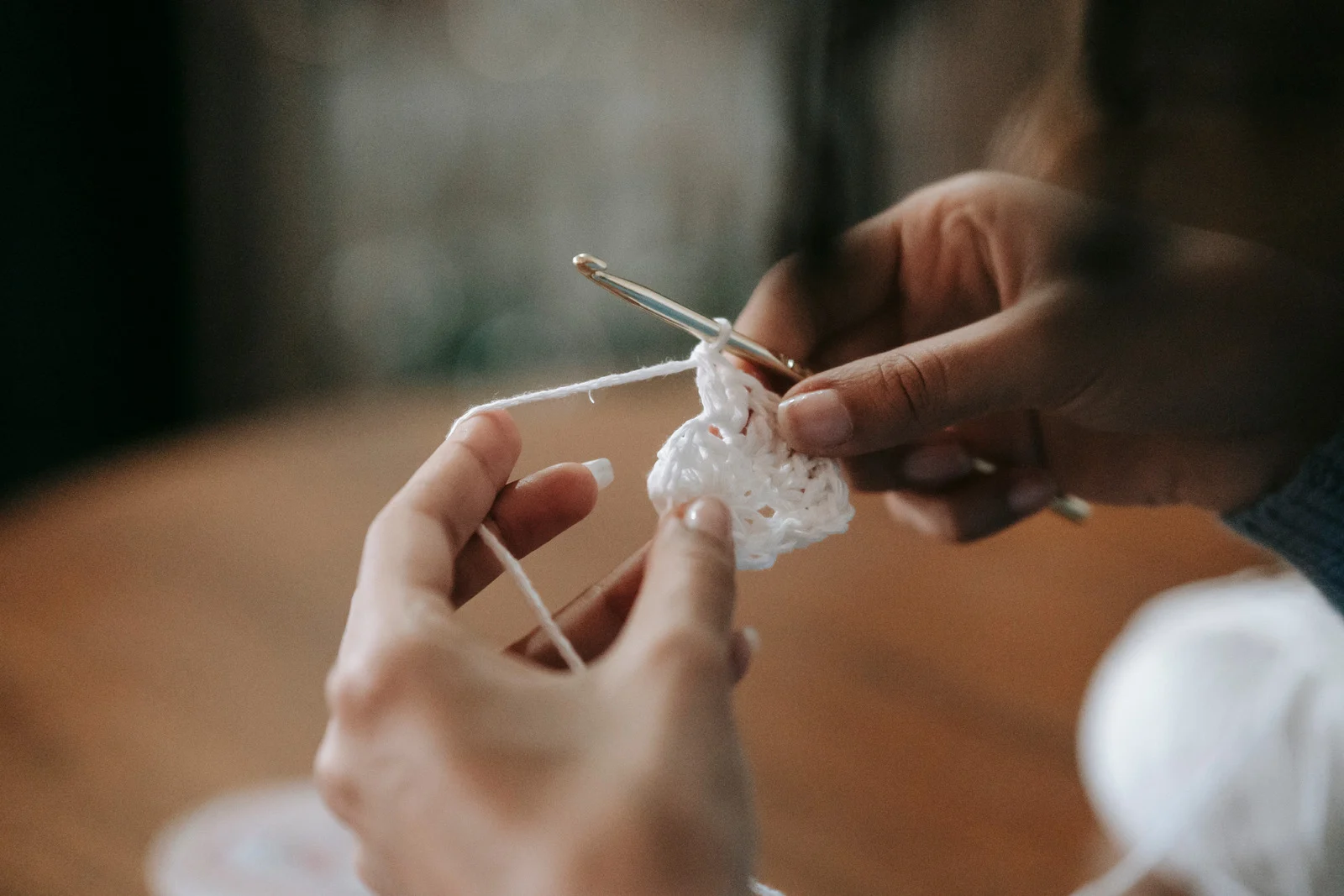
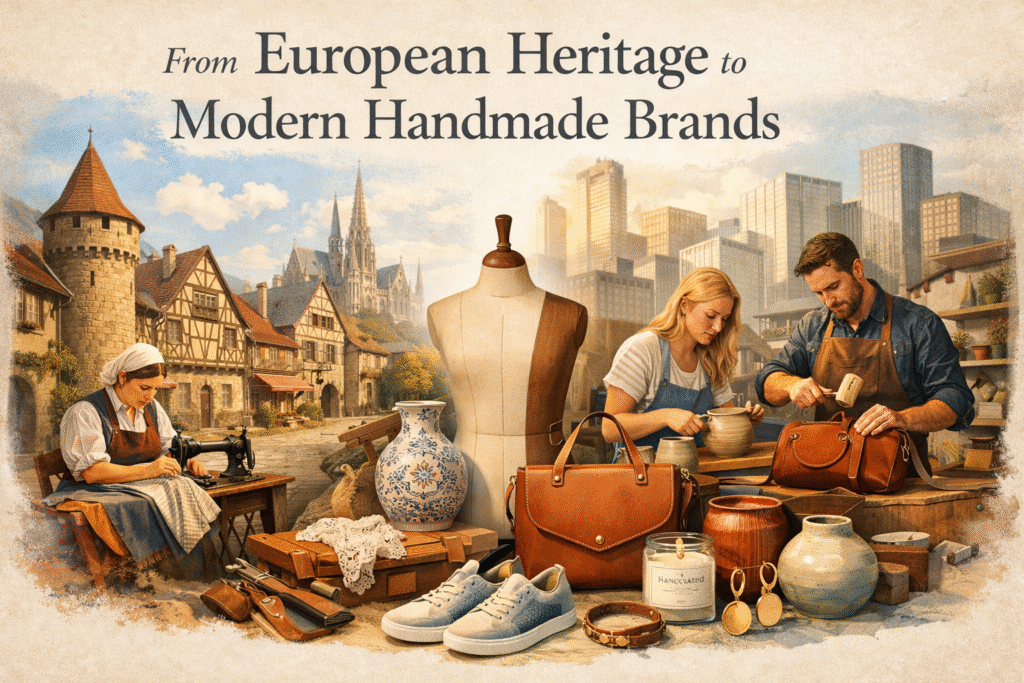
Luxury craftsmanship finds its roots in medieval Europe, where skilled artisans formed guilds dedicated to leatherworking, tailoring, and textile artistry. Countries such as Italy and France became global centers of excellence because craftsmanship was treated as both profession and art.
European leather artisans focused on:
- Hand-cut materials
- Natural tanning methods
- Durable construction techniques
- Attention to microscopic detail
Products were not mass-produced. Instead, each item reflected the artisan’s reputation and pride.
Why Precision Stitching Is the Signature of High-End Handmade Bags? Royal families commissioned handmade trunks, saddles, and handbags crafted to last decades. These early practices established the foundation of modern luxury standards quality over quantity.
Even today, modern handmade brands inherit these philosophies, emphasizing timeless design rather than seasonal trends.
The Shift from Status Symbol to Craftsmanship
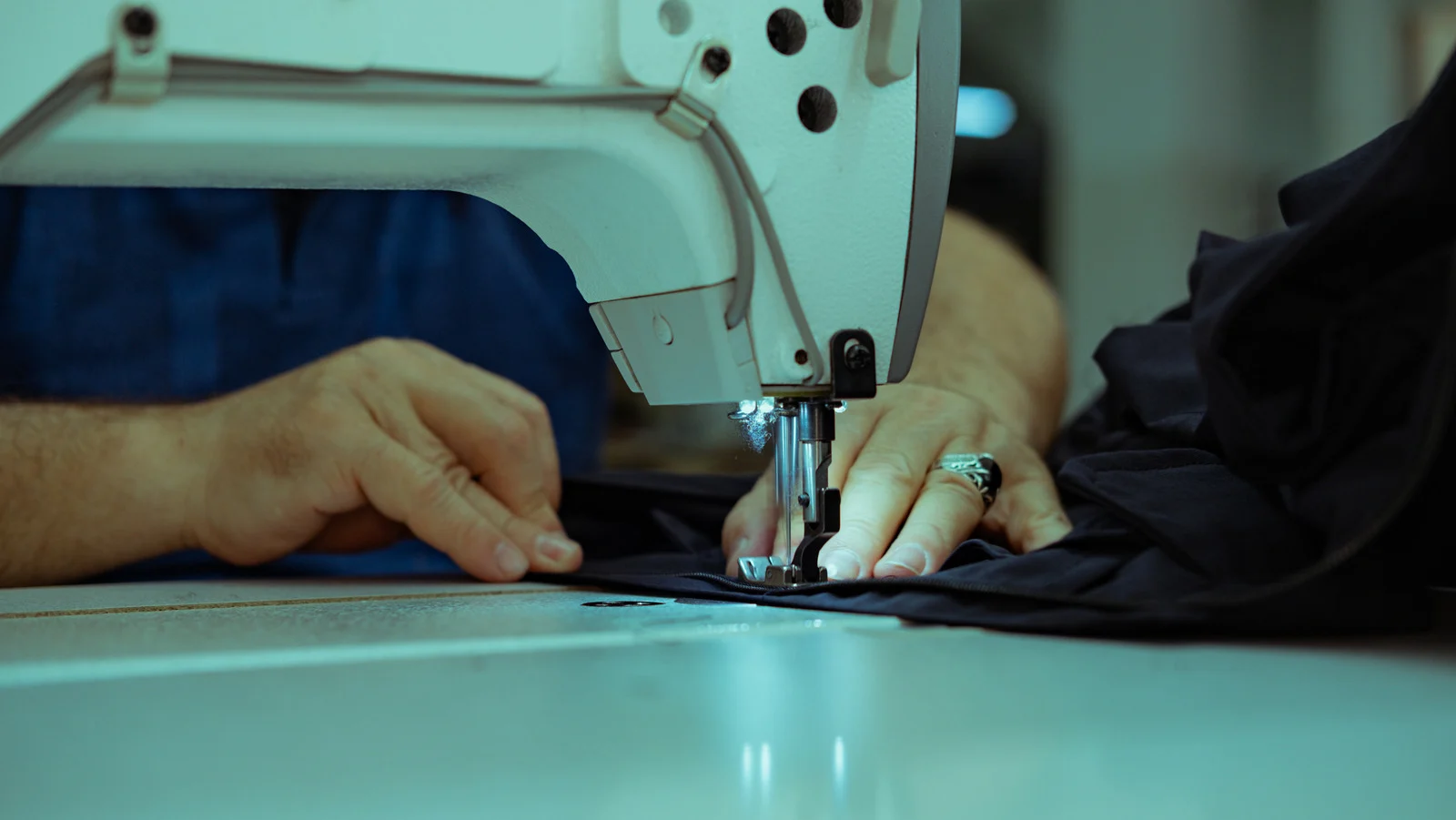
During the 20th century, luxury underwent a significant transformation. Industrialization introduced machine production, making fashion accessible to wider audiences. However, mass production also diluted craftsmanship.
Consumers gradually began seeking authenticity again.
Modern buyers started asking questions such as:
- Who made this product?
- How was it constructed?
- Will it last for years?
This shift revived appreciation for handmade goods. Luxury became less about visibility and more about craft integrity.
This is precisely where understanding why precision stitching is the signature of high-end handmade bags becomes essential.
Why Precision Stitching Is the Signature of High-End Handmade Bags
Precision stitching defines the difference between ordinary bags and true luxury masterpieces.
In handmade leather craftsmanship, stitching serves three essential purposes:
1. Structural Strength
High-end handmade bags rely on stitching instead of glue-based assembly. Every stitch reinforces stress points, ensuring durability under daily use.
Unlike machine stitching, artisan hand stitching creates independent lock points. If one stitch breaks, the rest remain intact dramatically extending the product’s lifespan.
This durability is one of the main reasons luxury handmade bags often last decades.
2. Visual Perfection
Luxury is recognized instantly through symmetry and balance.
Precision stitching ensures:
- Equal stitch spacing
- Consistent thread tension
- Perfect alignment along edges
- Clean finishing without loose threads
Even spacing creates a refined visual rhythm that signals expert craftsmanship.
Experienced artisans measure stitches carefully, often completing sections slowly to maintain flawless consistency.
This attention to detail explains why precision stitching is the signature of high-end handmade bags worldwide.
3. Artisan Identity and Skill
Every artisan develops a unique stitching style almost like a signature.
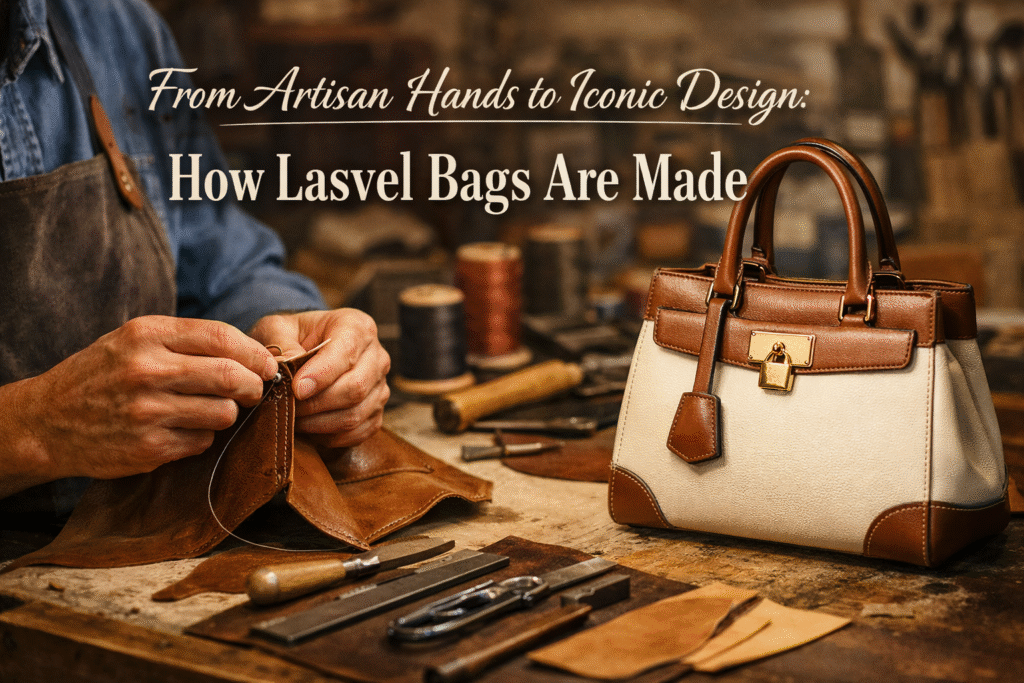
Hand stitching techniques such as saddle stitching require years of training. Unlike automated production, artisans manually control needle pressure, angle, and spacing.
This human involvement transforms a bag from a product into a work of art.
Customers investing in luxury handmade goods are ultimately investing in human expertise.
Traditional Techniques That Define Modern Handmade Brands
Modern handmade brands combine heritage methods with contemporary design thinking.
Key techniques include:
Saddle Stitching
Considered the gold standard of leather craftsmanship, saddle stitching uses two needles moving in opposite directions, creating unmatched durability.
Edge Finishing
Hand-burnished edges prevent wear while enhancing elegance.
Hand Cutting
Precision cutting ensures material integrity and reduces waste.
Waxed Thread Application
Wax strengthens thread fibers while protecting against moisture and friction.
Each of these elements contributes to longevity reinforcing why craftsmanship matters more than branding alone.
Handmade Luxury vs Mass Production
Understanding luxury evolution requires comparing handmade production with factory manufacturing.
| Handmade Bags | Mass Produced Bags |
|---|---|
| Individually crafted | Machine assembled |
| Precision stitching | Rapid stitching |
| Durable construction | Short lifespan |
| Unique character | Uniform output |
| Repairable | Disposable |
Mass production prioritizes speed.
Handmade luxury prioritizes excellence.
Consumers increasingly prefer sustainable ownership purchasing fewer items that last longer.
The Rise of Modern Handmade Brands
Modern luxury brands are redefining industry standards by embracing transparency and craftsmanship.
Today’s handmade brands focus on:
- Ethical sourcing
- Sustainable materials
- Small-batch production
- Artisan storytelling
Customers want connection not just consumption.
Social media and digital platforms allow artisans to showcase processes previously hidden behind factory walls. Buyers can now witness stitching, cutting, and finishing stages, strengthening trust.
This renewed appreciation further explains why precision stitching is the signature of high-end handmade bags in contemporary markets.
Sustainability and Slow Fashion Movement
Luxury evolution also aligns closely with sustainability. Fast fashion contributes significantly to environmental waste, while handmade leather goods provide a responsible alternative through durability and repairability. Understanding why precision stitching is the signature of high-end handmade bags also highlights its environmental impact, as carefully stitched bags are built to withstand years of use without structural failure.
Precision stitching directly supports sustainability because:
- Bags resist tearing even with daily use
- Individual components can be repaired instead of replaced
- Products remain functional and visually appealing for years
Owning one well-crafted handmade bag often replaces multiple low-quality purchases, reducing waste and promoting conscious consumption. Thus, craftsmanship becomes both an environmental and aesthetic choice, reinforcing why precision stitching remains essential in sustainable luxury design.
Emotional Value of Handmade Luxury
Why precision stitching is the signature of high-end handmade bags today extends beyond material value.
Handmade bags carry emotional significance because they represent:
- Time invested by artisans
- Human creativity
- Personal ownership stories
A handmade bag ages alongside its owner, developing patina and character over time.
Precision stitching ensures the bag evolves gracefully rather than deteriorating.
This emotional durability is impossible to replicate through automation.
Technology Meets Tradition
Modern handmade brands are not rejecting innovation; instead, they integrate technology thoughtfully.
Digital tools assist with:
- Pattern accuracy
- Material testing
- Design visualization
However, final assembly often remains manual.
Technology enhances efficiency, but craftsmanship preserves authenticity.
This balance between innovation and tradition defines modern luxury evolution.
Consumer Awareness in the Modern Luxury Market
Today’s luxury consumers are educated and detail-oriented.
They examine:
- Stitch alignment
- Material origin
- Construction methods
- Brand ethics
Visible stitching quality often becomes the first indicator of authenticity.
Experts frequently judge handbags by stitching before evaluating branding reinforcing again why precision stitching is the signature of high-end handmade bags.
Investment Value of Handmade Bags
Unlike trend-based accessories, handcrafted bags maintain long-term value and timeless appeal. Understanding why precision stitching is the signature of high-end handmade bags helps explain why these products are considered lasting investments rather than temporary fashion items.
Reasons include:
- Superior durability
- Timeless design
- Repairability
- Limited production
Many handmade bags remain usable for decades, making them practical investments instead of disposable fashion purchases. Precision stitching plays a central role in preserving this value by ensuring structural strength, longevity, and consistent quality over time.
The Future of Luxury Craftsmanship
Luxury’s future points toward personalization and authenticity.
Consumers increasingly seek:
- Custom-made designs
- Artisan transparency
- Sustainable production
- Heritage craftsmanship
Modern handmade brands represent the continuation of centuries-old European traditions adapted for contemporary lifestyles.
The emphasis will continue shifting away from logos toward craftsmanship quality.
Conclusion: Craftsmanship as the True Definition of Luxury
From European heritage workshops to modern independent artisans, luxury has evolved dramatically yet its foundation remains unchanged.
True luxury lies in mastery.
While materials, designs, and markets evolve, craftsmanship continues to define excellence. Among all craftsmanship elements, stitching remains the clearest expression of quality and skill.
Understanding why precision stitching is the signature of high-end handmade bags reveals the essence of modern luxury itself: patience, precision, and human artistry.
1. Why is precision stitching important in handmade luxury bags?
Precision stitching ensures durability, structural strength, and visual perfection in handmade bags. Unlike machine stitching, hand stitching creates stronger lock points that prevent seams from easily breaking. This is one of the main reasons why precision stitching is the signature of high-end handmade bags, as it guarantees longevity and superior craftsmanship.
2. What makes handmade bags more luxurious than mass-produced bags?
Handmade bags are crafted individually by skilled artisans using traditional techniques and premium materials. Each detail from leather cutting to stitching is carefully executed. Mass-produced bags prioritize speed, while handmade luxury focuses on quality, uniqueness, and long-term durability.
3. How can you identify high-quality stitching in a luxury handbag?
You can recognize high-quality stitching by checking:
Even stitch spacing
Straight alignment
Tight thread tension
No loose or uneven threads
Clean edge finishing
Consistent stitching reflects expert craftsmanship and confirms why precision stitching is considered a hallmark of premium handmade bags.
4. What is saddle stitching, and why is it used in luxury bags?
Saddle stitching is a traditional hand-stitching technique using two needles passing through the same hole from opposite directions. This method creates extremely strong seams that remain intact even if one stitch breaks. Luxury handmade brands rely on saddle stitching because of its durability and refined finish.
5. Do handmade leather bags last longer than machine-made bags?
Yes. Handmade leather bags typically last much longer because artisans reinforce stress points using precision stitching instead of glue or weak machine seams. Properly maintained handmade bags can remain functional and stylish for decades.
6. Is precision stitching visible in luxury handbags?
Yes, and it is often intentional. Luxury brands showcase stitching as a symbol of craftsmanship. Clean, symmetrical stitching enhances aesthetics while signaling authenticity and artisan skill.
7. How does European heritage influence modern handmade bag brands?
European craftsmanship traditions introduced meticulous leatherworking methods that modern handmade brands still follow today. Techniques such as hand cutting, saddle stitching, and edge finishing continue to shape contemporary luxury standards.